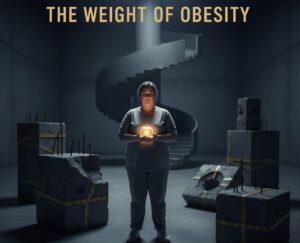
Body weight and eating habits are closely linked. High-calorie food intake with little or no physical activity leads to obesity. Poor nutrition is a food high in calories usually resulting from fats and carbohydrates and low in nutrients. Obesity in itself is a disorder that further complicates the health condition. Obesity and poor nutrition create a vicious cycle. Poor nutrition causes weight gain. The resulting obesity negatively affects the body’s functioning in order to absorb the nutrients available in the food, which makes the overall nutritional status even worse. This is a paradoxical connection where the obese person is overfed in terms of calories but undernourished in terms of essential vitamins and minerals. This state is known as ‘over-nutrition malnutrition’.
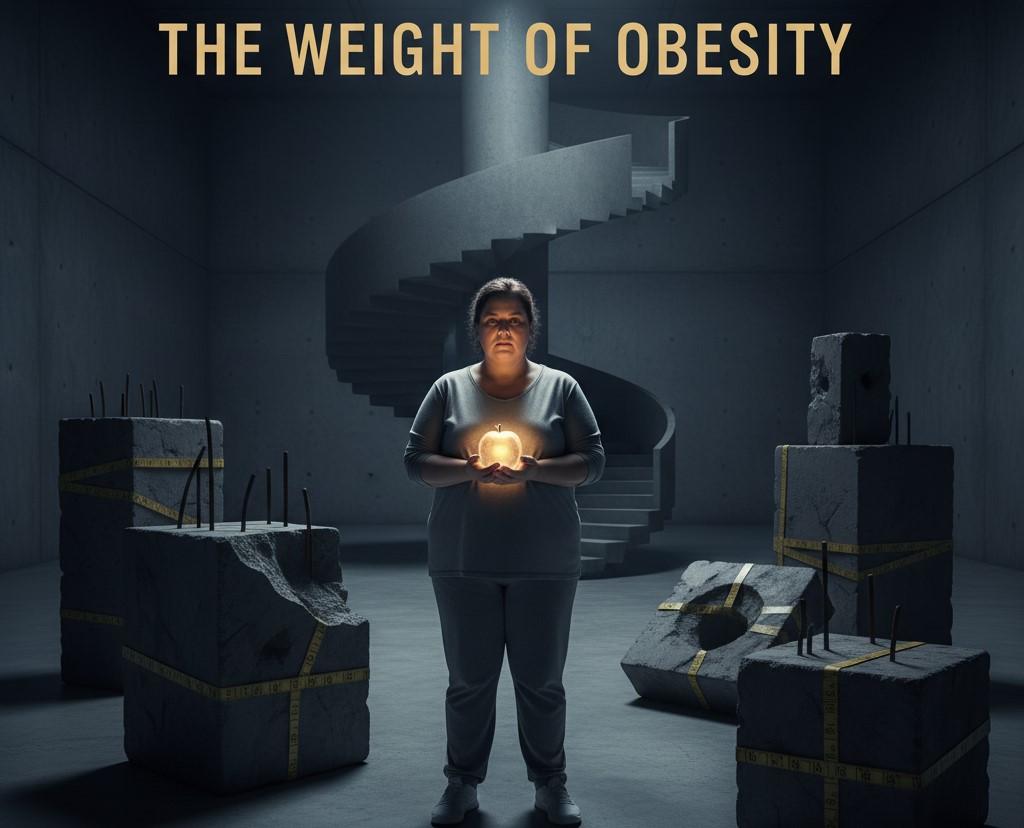
How Poor Nutrition Causes Obesity:
High-Calorie, Low-Nutrition Food:
Junk food and processed foods are usually high in calories from sugar and fat but low in nutrients like minerals, vitamins and fiber. A person having such food choice will end up eating more due to low satiety leading to obesity.
Calorie Surplus:
If you are not watching your calorie count and do not attune it with your lifestyle, you’ll end up having energy imbalance. If you are consistently consuming more calories than your requirement, this will result in calorie surplus leading to weight gain. The process becomes even faster when combined with inactive or sedentary lifestyle. A surplus of 7700 calories results in 1 Kg weight gain.
Low Satiety:
Processed food containing high calories from carbs have a poor satiety index (SI), the feeling of fullness as compared to whole foods. You tend to consume more of processed food resulting in weight gain.
Hormonal Imbalance:
High carb food causes spikes in blood sugar levels that results in hormonal shifts e.g. high insulin levels which leads to fat storage in the body.
Gut microbiome changes:
Poor eating habits can change the balance of gut bacteria, that plays a critical role in metabolism, appetite regulation, and energy storage. This imbalance has been linked to chronic inflammation and can trigger weight gain.
Socioeconomic factors:
In many communities, especially lower-income areas, high-energy, low-nutrient foods are cheaper and more accessible than healthier, whole-food options. This economic reality forces people toward food options that increase the risk of obesity.
Malnutrition in Obesity:
Obese people have high body fat storage but they lack the essential micronutrients required for good health. Poor nutrition largely consisting of fast food and processed food is a major contributing factor in vitamins and minerals deficiency.
- Studies show that obese people have deficiencies of following micronutrients.
- Calcium
- Magnesium
- Vitamin D
- Iron
- Vitamin B1 (Thiamine)
- Vitamin B9 (Folate)
Inflammation:
Obese people can develop chronic inflammation, that affects the body’s ability to absorb and use nutrients. For example, this may escalate the production of a hormone called hepcidin, that hampers iron absorption resulting into anaemia.
Metabolic dysfunction:
The above deficiencies can lead to metabolic problems. Low vitamin D and magnesium levels, for example, are linked to glucose metabolism problem and insulin resistance, developing conditions like diabetes and high blood pressure.
Health risks associated with poor nutrition and obesity:
The direct correlation of poor nutrition and obesity contributes to a wide range of serious health issues. These conditions can further aggravate due to the inflammatory state associated with obesity-related malnutrition.
- Type 2 diabetes
- Hypertension and high cholesterol (metabolic syndrome)
- Heart disease and stroke
- Types of cancer
- Sarcopenic obesity (high fat and low muscle mass)
- Cognitive impairment and mental health issues
Addressing the issue:
It’s never too late. If you love yourself, you should be good to yourself. The remedy to the issues in hand will depend on the extent of damage the obesity and poor nutrition has done to you. Since obesity is not only an issue of excess calorie intake, a broad and comprehensive approach to treatment is necessary.
- Improving food quality: This is a very important step, focusing on increasing the intake of fibre-rich and full of nutrients food like fruits, vegetables, whole grains, and lean proteins while avoiding junk/fast food and processed food. You should keep yourself updated on healthy lifestyle and eating habits. For instance, simply changing the order of items in your meal has an impact on your glucose spike. You should start your meal with fibrous food like greens and salad, then protein and carbs, and dessert in the end. You will have lesser sugar spike while having the same number of calories from the same size of meal. Similarly; fresh fruit juices cause high sugar spikes compared to eating fresh fruit. A low and protracted sugar spike will give you consistent energy supply and high satiety as compared to a high sugar spike.
- Diet Plan: While the solution varies from person to person, but as a safe weight loss plan at sustainable rate of 0.5 to 1 kg a week, most people are advised to reduce their energy intake by 600 calories a day. For most men, this implies consuming 1900 calories a day max, and for most women, 1400 calories a day.
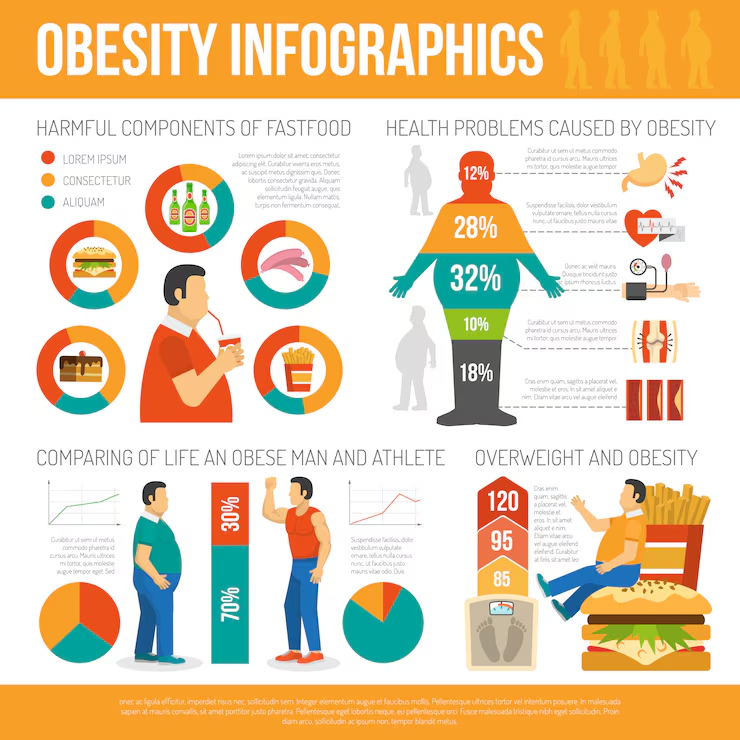
The best way to achieve this is to switch unhealthy and high-calories food choices – such as fast food, processed food and sugary drinks (including alcohol) – for healthier choices.
A healthy food should consist of:
- Plenty of fruit and vegetables
- Food consisting of potatoes, bread, rice, pasta and other starchy foods (high fibre and wholegrain options)
- Milk and dairy foods or dairy alternatives
- Meat, fish, eggs, beans and other non-dairy sources of protein
You should avoid foods containing high levels of salt as they can raise your blood pressure, which can be dangerous for people already living with obesity.
You have to be watchful about the number of calories in the food you are eating in order to ensure you stick to the diet plan.
FAD and VLCD Diet Programs:
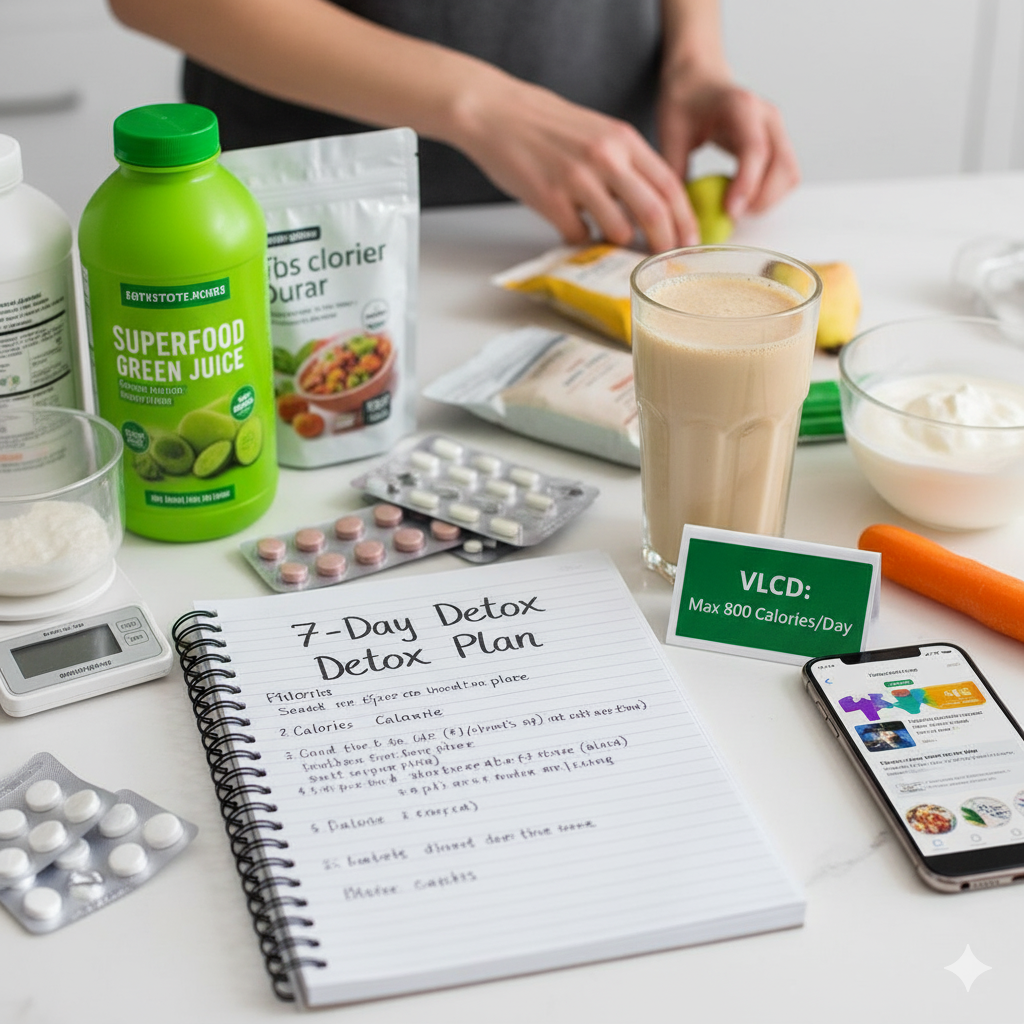
You should avoid fad diets that recommend unsafe practices, such as fasting (going without food for long periods of time) or cutting out entire food groups. These types of diets do not work, can make you feel ill, and are not long-term as they do not teach you sustainable healthy eating habits. This is not to say that all commercial diet programmes are unsafe. Many are based on sound medical and scientific principles and are effective for some people. VLCD, very low-calorie diet (800 calories a day) can lead to rapid weight loss but is not suitable or safe method for everyone. Usually, VLCDs should not be followed for longer than 12 weeks at a stretch, and should only be followed under the supervision of a qualified healthcare professional or nutritionist.
- Physical Activity: If you want to get rid of obesity, physical activity is a must. You should change your busy daily routine to squeeze in an hour of exercise. You have to start slow and gradually build the momentum as your body get accustomed with the changed routine. Brisk walk, cycling or swimming combined with some weight training can be a good start.
- Nutritional counselling: A dietician or nutritionist, with the help of necessary medical tests, can identify nutrient deficiencies and prescribe proper supplements, especially for people undergoing weight loss or bariatric surgery.
- Targeted interventions: Governments and NGOs should take initiatives on improving food environments and food literacy, particularly among less privileged classes, to make healthy foods more accessible and affordable.
- Holistic approach: Selection of healthy diet combined with regular physical activity, better sleep habits, and stress management addresses the multiple factors that contribute to obesity.